
Info Current and Verified · Updated 04/2025
Short Description
Material separation—commonly referred to as mechanical recycling—is a standalone process that takes in charged or discharged batteries and outputs black mass along with sorted metal and plastic fractions.
The process begins with shredding to break open the battery structure and expose internal components. Shredding is often done in water or under inert atmosphere for safety. Electrolyte is removed by evaporation or pyrolysis.
After shredding, physical separation techniques such as milling, sieving, air classification, and magnetic separation are used to isolate black mass (containing anode and cathode materials) from other streams. Graphite can optionally be removed through flotation.
Relevant Material Streams
4.1Shredding
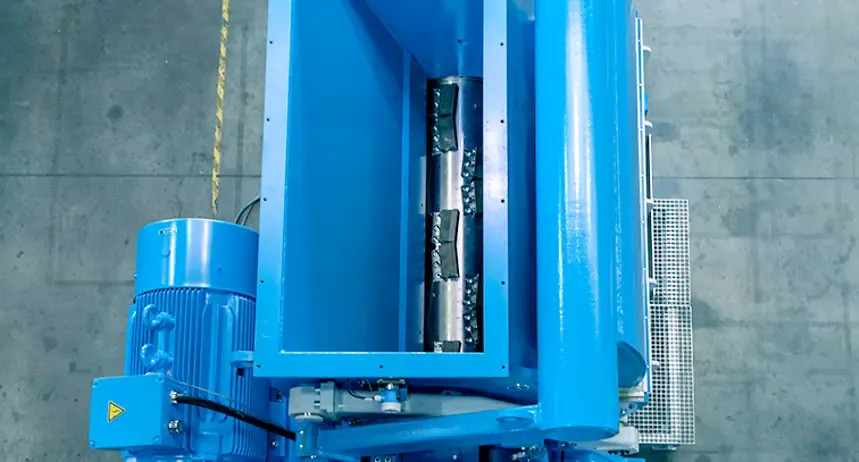
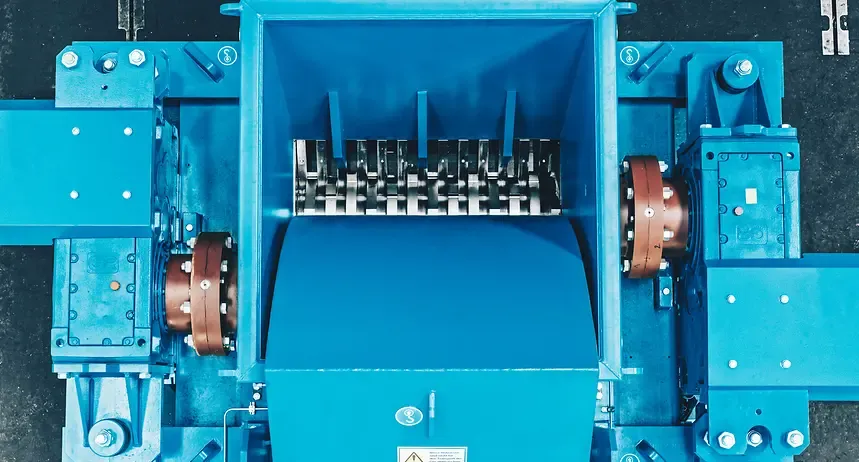
Battery packs, modules, cells, and production scrap such as coated foils or jelly rolls are fed into a shredder, where powerful blades break the material into smaller pieces. This process exposes the internal components, enabling the separation of valuable materials in later stages. Shredding can be done in a single step or as a multi-stage process. In multi-stage setups, a rough shredder is used first, followed by finer shredders that progressively reduce the particle size.
A typical shredding system consists of several key components: an automatic feeding system, shredding chamber, knives, optional sieve, outfeed system, safety system, off-gas treatment or filtration unit, and a control cabinet.
The feeding system is often a cleated conveyor belt. The cleat size should be selected based on the dimensions of the infeed material to ensure stable transport into the shredder.
Additional process considerations
- Knife selection and turning speed are critical to ensure optimum black mass recovery. Improper knife selection or rotation speed can lead to pocket formation, where current collector foils are folded or crumpled in a way that traps black mass inside, making it inaccessible for downstream separation processes.
- Outfeed systems vary depending on the material and layout and can include screw conveyors, drag chain conveyors, or similar equipment tailored to the throughput and material characteristics.
In this setup, batteries are either submerged in water during shredding or sprayed with water to suppress sparks and cool the materials. This method reduces the risk of fire, though sparks can still occur under water, and fires may still happen with surface sprinkling only. To operate such a system, a water recirculation and treatment system is required. Electrolyte accumulates in the water over time, so a bleed and concentration control system is needed. Additionally, black mass fines build up in the water and must be removed—typically with a filter press to prevent loss and operational issues. For water-based shredding, deep discharge is not required, but a minimum discharge level is typically recommended for safety.
In this approach, batteries are shredded in a nitrogen-filled chamber to displace oxygen and minimize the risk of ignition. Because oxygen must be kept out, continuous processes must be adapted into batch-wise loading, typically using an airlock system to introduce material safely. Deep discharge is strongly recommended when shredding under inert gas. A fully charged battery shredded in this environment could still catch fire, so an automatic fire suppression system is required as a precaution.
Risk of material contamination and reduced black mass purity+
During shredding, all battery materials—including active materials, current collectors, plastics, and binders—are mixed together. These must be separated in downstream processes. However, depending on the separation technologies used, some materials can be recovered more efficiently than others. Particular attention should be paid to copper and aluminum, which originate from the anode and cathode foils. If not properly separated, these metals can contaminate the black mass, reducing its purity and value.If batteries with different chemistries (e.g., NMC, LFP, NCA, LCO) are shredded together, the resulting black mass will be cross-contaminated, lowering its value and reducing the efficiency of downstream hydrometallurgical recovery processes.
Safety risks from fire, toxic gases, and fine dust from shredding+
Battery shredding introduces major safety hazards, including the risk of fire, harmful gas release, and airborne particulate matter. These risks are caused by residual electric charge, flammable electrolyte solvents, and reactive salts. Additionally, fine dust generated during shredding can pose health hazards to workers and environmental risks. Proper safety measures—such as fire suppression, gas filtering, dust collection systems, and PPE—are essential to mitigate these risks.
Wear and tear on shredding equipment+
Shredding lithium-ion batteries places significant mechanical and chemical stress on key components—particularly the knives. Hard metals like stainless steel and chemically aggressive substances such as electrolyte salts contribute to rapid degradation. As a result, shredders require frequent maintenance, reducing overall operational uptime and increasing costs.
4.2Electrolyte Removal
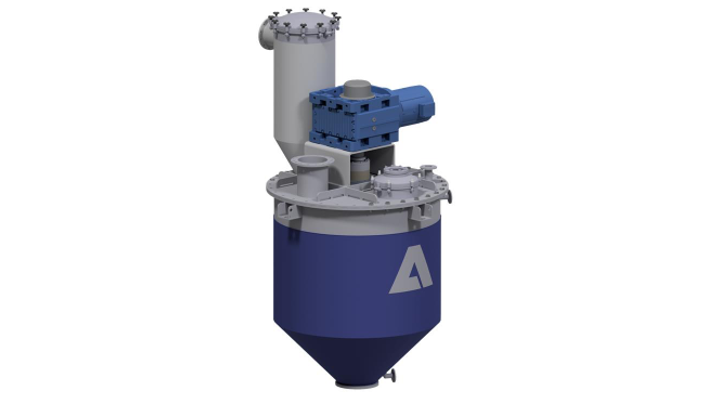
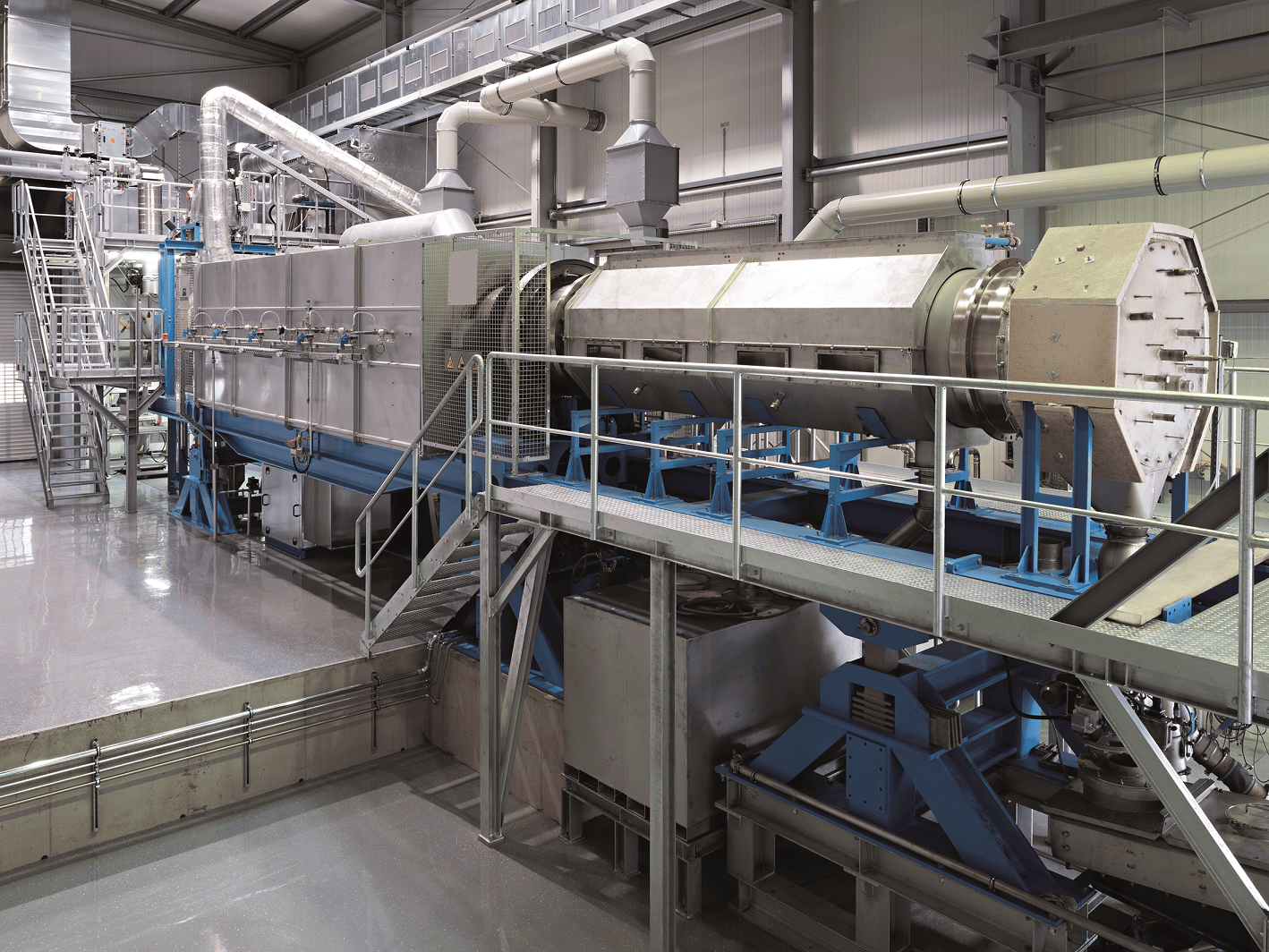
After the battery has been shredded, the resulting shreds are dried to remove residual electrolyte solvents and, depending on the temperature, possibly degrade active material binders such as polyvinylidene fluoride (PVDF). Drying is essential for ensuring the safety and efficiency of subsequent processing steps—by preventing clumping and improving material flow during separation.
Common drying technologies include rotary dryers or kilns, vacuum dryers, and conventional ovens.
The selected drying temperature influences the design of the off-gas treatment system, as higher temperatures may lead to more aggressive or hazardous vapors.
Process mismatch between continuous shredding and batch vacuum drying+
Vacuum drying is typically a batch process, whereas shredding is a continuous process. This creates a mismatch in throughput and may require buffering systems in between, introducing inefficiencies and additional complexity in the overall process flow.
Confidential electrolyte mixture+
The drying process needs to be designed to fit different electrolyte mixtures (expecting to process different batteries). In addition to that each electrolyte solvent mixture is kept confidential by the cell producer. Especially because of that processing parameter flexibility is required to ensure that all battery shreds are properly dried.
Incomplete evaporation of high-boiling solvents (e.g. ethylene carbonate)+
Effective electrolyte removal depends heavily on drying temperature. Higher temperatures improve solvent evaporation, while lower temperatures increase energy efficiency—so finding the right balance is critical. Typical electrolyte mixtures include solvents like dimethyl carbonate (DMC), ethyl methyl carbonate (EMC), and ethylene carbonate (EC). Among these, ethylene carbonate has the highest boiling point. If drying temperatures are too low, EC may not fully evaporate, leaving behind residues that interfere with downstream processing.
Aggressive solvent vapors can damage seals and components+
During drying, battery solvents evaporate and are treated as off-gases in specialized systems. These vapors—including decomposition products from electrolyte salts like lithium hexafluorophosphate (LiPF₆) or fluorinated binders such as polyvinylidene fluoride (PVDF) and polytetrafluoroethylene (PTFE)—are highly aggressive toward materials. Components such as vacuum pump seals and any materials in contact with the off-gases must be carefully selected to ensure durability and system reliability.
4.3Physical Separation
Once the shreds have been dried, the mechanical sorting and separation process begins. This step focuses on systematically separating and removing all impurities from the cathode active materials. These impurities may include plastics, organics, stainless steel/steel, aluminum, copper, residual traces of WEEE (electronic waste), electrolyte solvents and salts, and possibly graphite.
Technologies that may be applied include sieves, air classification (zig-zag sifter), milling, magnetic separation, eddy current separation, density separation, filtration, and flotation.
Defining the desired level of separation+
Decisions must be made about how pure each separated stream needs to be. For example, is it sufficient to recover a mixed metal fraction, or should ferrous metals, aluminum, and copper be separated individually? Higher purity increases the complexity, cost, and energy demand of processing. A cost-benefit analysis should guide these decisions to balance recovery quality with operational efficiency.
Increasing selectivity while minimizing losses+
Each separated material stream results in some loss of valuable cathode active materials—often in very small amounts. The challenge lies in maximizing impurity removal while keeping these losses to an absolute minimum.
Maintaining process efficiency with innconsistent feedstock+
The composition of input batteries vary in materials used, leading to fluctuation in process efficiency and separation quality. The goal is to implement adaptive sorting and separation technologies. This could be either technologies where processing parameters can be adapted easily or potentially AI-driven process controls. In any case – pre-sorting batteries by chemistry and processing same batteries in one campaign helps reduce variability and enhance process stability.
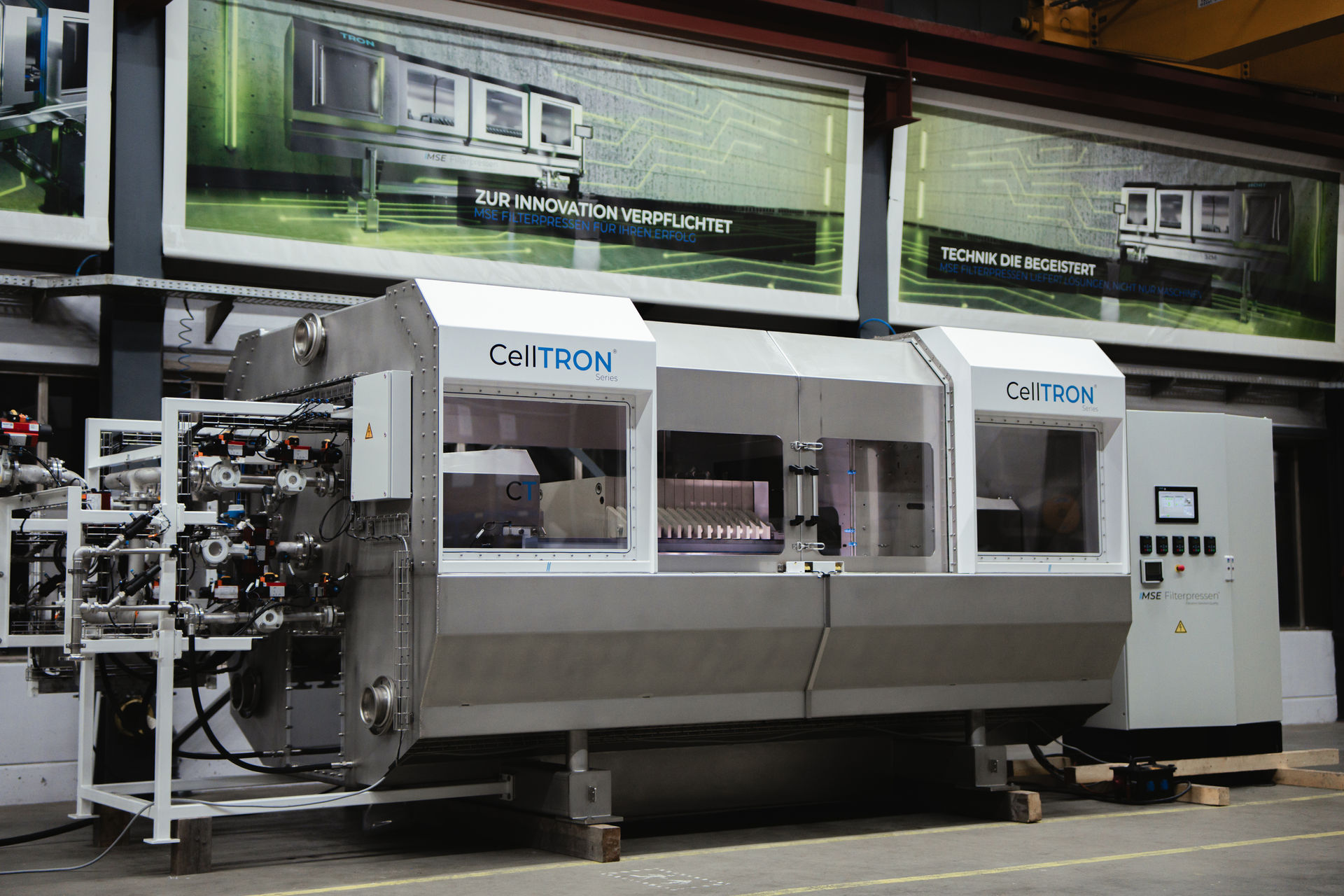

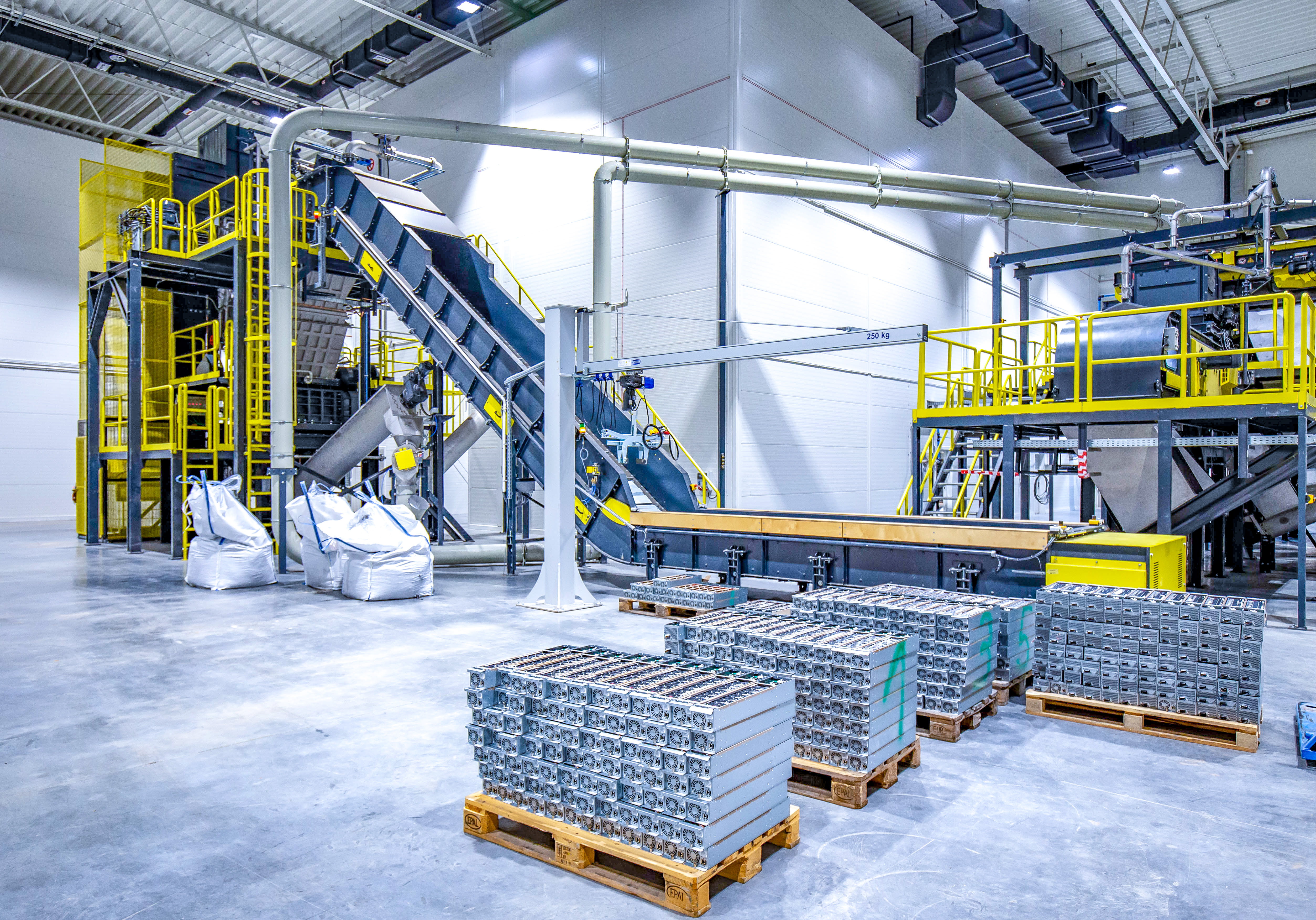
Maximizing black mass yield while minimizing impurities requires careful control of the shredding and separation processes. Factors such as knife type, rotation speed, and shredding atmosphere affect the degree of contamination from copper, aluminum, or plastics. Process optimization and equipment design are key to improving material purity and overall recovery efficiency.
How can electrolyte be removed effectively and with low energy use?+
Removing electrolyte efficiently while minimizing energy consumption involves selecting appropriate drying technologies. Methods such as vacuum drying or pyrolysis can be optimized for lower energy input while still achieving complete electrolyte removal. The main challenge is finding the right balance between thorough removal and energy efficiency.
How can batteries be shredded safely without risking fire or explosion?+
Safely shredding batteries involves several precautions to prevent hazards such as fire. One method is to discharge the batteries beforehand to reduce stored energy. Another approach is to use a cooling medium, such as water or cryogenic shredding, to lower temperatures and prevent ignition. Additionally, water can help suppress sparks. However, the optimal combination of discharge, water, nitrogen, or cryogenic conditions must be evaluated based on the feedstock and operational targets.
Guidelines & Regulations 5 · European Union, United States, Canada+
The Governmental Regulations section outlines key policies and legal frameworks that govern battery production, usage, recycling, and disposal to ensure safety, sustainability, and compliance with environmental standards.
⚠ Please note: This section does not represent a complete or exhaustive overview of all applicable regulations. It is intended for general orientation only and should not be considered legal advice or regulatory interpretation. For detailed compliance guidance, always consult the official legislation or a qualified regulatory expert.
This is one stage of the full recycling workflow
See how Mechanical Recycling fits into the end-to-end journey from end-of-life batteries to battery-grade materials.
Back to the full guide →