Recycling Dryer
Remove residual liquids and solvents from shredded battery material to prepare it for further processing.
Key Takeaways
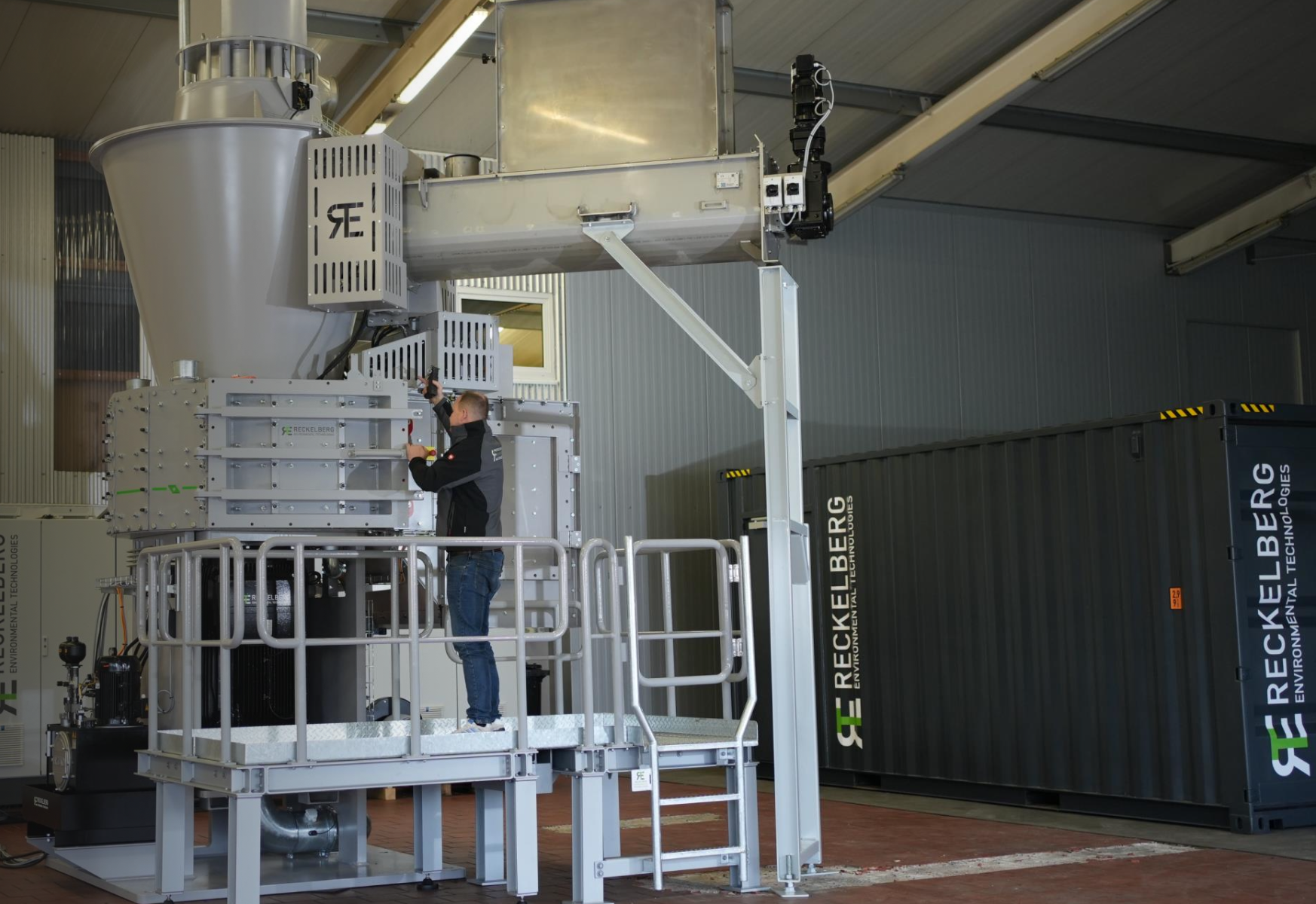
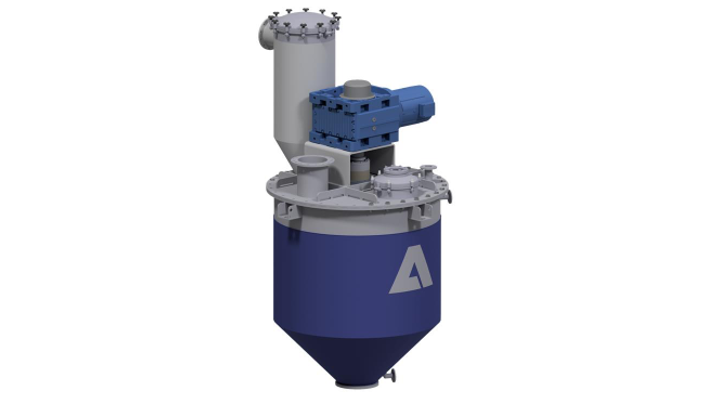
A dryer is used to remove residual electrolyte from battery components. Electrolyte is a liquid substance composed of a mixture of solvents and must be thoroughly removed to ensure environmental safety and the efficiency of downstream processing steps. Different drying technologies are available such as:
- Vacuum dryers
- Rotary dryers
- Thermal dryers
What to consider when choosing
What to think about when buying a dryer
Material compatibility is critical. The dryer must not only accommodate various battery chemistries but also resist degradation from corrosive substances such as solvent vapors and decomposition products from electrolyte salts or binders.
What to look for in a dryer
- Precise temperature control – to ensure consistent and complete electrolyte or water removal
- Vacuum capabilities – for efficient drying at lower temperatures and reduced risk of thermal decomposition
- Sufficient capacity – aligned with the facility's throughput requirements
- Operational mode – choose between batch or continuous based on process integration
- Energy efficiency – to minimize operating costs and environmental impact
- Material compatibility – components must withstand exposure to corrosive substances, off-gases, and residual solvents commonly found in battery materials
Solutions & suppliers
Verified solutions and the vendors behind them.
Dryer is one piece of the recycling line
See where dryer fits into the end-to-end battery recycling process.
Back to the full guide →