
Info Current and Verified · Updated 03/2026
Short Description
In the material recovery step, the separated battery materials, typically black mass, undergo chemical (hydrometallurgical) and thermal (pyrometallurgical) treatment to extract valuable elements.
Hydrometallurgical processes—such as leaching, precipitation, filtration, solvent extraction, and crystallization—are used to recover metals like lithium, cobalt, and nickel in the form of refined salts or compounds.
Pyrometallurgical processes, particularly high-temperature methods like smelting, are used to efficiently reclaim metals such as cobalt, copper, and nickel, typically in the form of alloys, while generating slag as a byproduct.
Relevant Material Streams
Pyrometallurgy uses high heat (typically >1000 °C) to recover valuable metals like copper, cobalt, and nickel from batteries or pre-processed materials. While effective, it’s energy-intensive, produces emissions, and often requires further hydrometallurgical refining for battery-grade output.
Hydrometallurgy uses chemical solutions to extract valuable metals like lithium, cobalt, and nickel from black mass. Through steps like leaching, purification, and crystallization, it yields high-purity compounds for new batteries.
Direct recycling preserves the structure of battery materials like cathode and anode powders, avoiding full breakdown into base elements. Though still emerging, it offers an energy-efficient path to reuse active materials and supports circularity in battery manufacturing.
5.1Pyrometallurgy
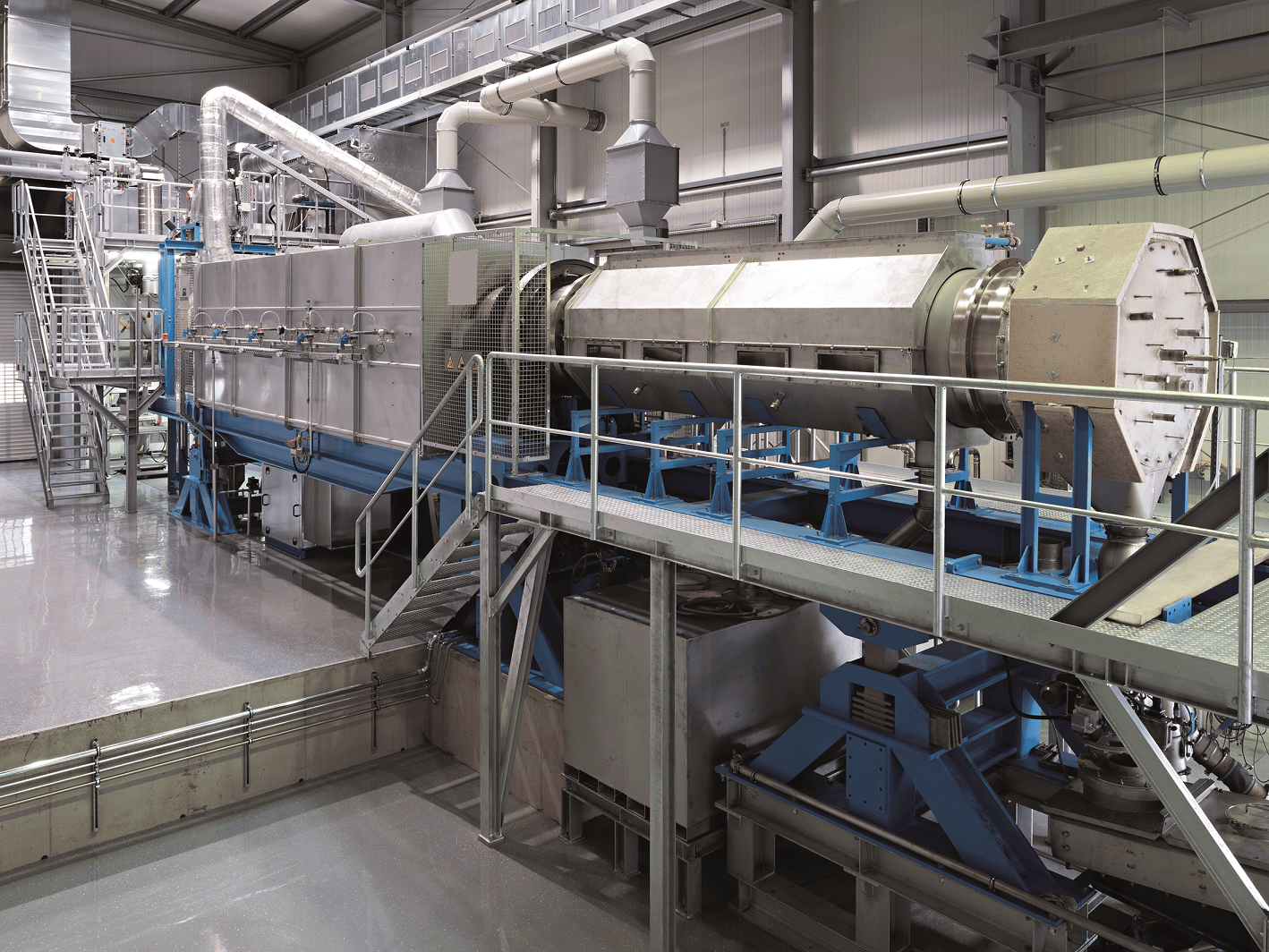
Pyrometallurgy is a high-temperature recycling process that smelts either full batteries or pre-processed materials (such as shreds or black mass) in a furnace—typically above 1000 °C—to recover valuable metals. It is especially effective for extracting copper, cobalt, and nickel, but requires significant energy and produces emissions that must be treated. Additional hydrometallurgical steps are often needed afterward to refine the recovered materials to battery-grade quality.
In pyrometallurgy, full batteries or pre-processed materials such as shreds or black mass are subjected to temperatures exceeding 1000 °C in a furnace. This high-temperature treatment breaks down organic materials and separates metals based on their melting points and chemical reactivity.
The process results in two primary material streams:
- A metal alloy typically containing cobalt (Co), copper (Cu), nickel (Ni), and iron (Fe)
- A slag that captures aluminum (Al), lithium (Li), manganese (Mn), and other less valuable or reactive elements
In addition, the process generates dust or ash, which may contain residual metals, and off-gases that require treatment using filters, scrubbers, or regenerative thermal oxidizers (RTOs) to meet environmental regulations.
Pyrometallurgy is highly effective for recovering nickel, cobalt, and copper, making it a popular route for mixed feedstock and contaminated materials. However, it requires significant energy input and generally results in lithium losses to the slag.
To comply with EU or other regulatory recycling efficiency targets, some advanced pyrometallurgical flowsheets now include lithium recovery steps from slag and dust. Since the recovered metal alloy is not yet suitable for direct reuse in batteries, a follow-up hydrometallurgical refining step is typically required to produce battery-grade materials.
While pyrometallurgy can accept a wide range of input materials—including battery packs, modules, cells, shreds, black mass, and manufacturing scrap—it is important to note that anode scrap is typically excluded. This is due to its high carbon content, which can interfere with the smelting process, affect furnace stability, and increase unwanted emissions during thermal treatment.
Limited lithium recovery through pyrometallurgy+
Traditional pyrometallurgical processes are optimized for recovering base metals like nickel, cobalt, and copper, but lithium typically ends up in the slag. Recovering lithium from slag requires additional processing steps, such as slag leaching, which are often costly and not yet widely adopted. As a result, lithium recovery remains a key challenge for this route, particularly with rising regulatory targets for material recovery efficiency.
Emission control and environmental compliance for pyrometallurgy+
The smelting process generates a range of emissions, including toxic gases such as fluorides, particulate matter, and large volumes of CO₂. To comply with environmental regulations, facilities must invest in advanced off-gas treatment systems, such as filters, scrubbers, and regenerative thermal oxidizers (RTOs), which increase both complexity and cost.
High energy consumption for pyrometallurgy+
Pyrometallurgy relies on extremely high temperatures—often exceeding 1000 °C—which results in significant energy demand. Maintaining these temperatures for prolonged periods adds to the operational cost and carbon footprint, making it less sustainable compared to low-temperature alternatives
5.2Hydrometallurgy
In hydrometallurgy, black mass—produced from shredded battery materials—is treated with chemical solutions to dissolve and separate valuable metals such as lithium, cobalt, and nickel. The process typically involves multiple stages, including metal leaching, impurity removal, and crystallization. These steps enable the recovery of high-purity compounds that can be used to produce new battery materials. Hydrometallurgy can be adapted to different battery chemistries and is increasingly used in advanced recycling operations.
Hydrometallurgy is a chemical separation technology used to extract and purify valuable metals from black mass. Various proprietary and innovative processing options are currently being developed and implemented. The process typically consists of the following main steps:
- Metal dissolution in acid (leaching): The black mass is dissolved in an acid solution using sulfuric acid (H₂SO₄) or hydrochloric acid (HCl), often combined with oxidizing agents such as hydrogen peroxide (H₂O₂). This step dissolves the metals into the solution, while some impurities—such as graphite or plastics—remain undissolved as solid residue.
- Precipitation, impurity removal, and separation: Metals are selectively extracted by adjusting the pH (precipitation) or by using organic solvents (solvent extraction). Impurities like iron (Fe), aluminum (Al), and copper (Cu) are removed through precipitation and filtration. Cobalt (Co) and nickel (Ni) can be separated using solvent extraction. Alternatively, a mixed hydroxide precipitate (MHP) can be produced without separating the nickel and cobalt. Lithium is typically recovered in a later step.
- Crystallization: This is a controlled precipitation of dissolved metals by adjusting temperature. Water is evaporated, and the solution is concentrated—sometimes with the addition of other chemicals. As the solution becomes supersaturated, metal ions begin forming solid crystals. As evaporation continues, additional ions attach to the seed crystals, causing them to grow. The solid crystals are then separated from the liquid by filtration. To produce battery-grade materials, the crystals must be dried and possibly milled to achieve the required particle size.
How can LFP batteries be recycled economically through hydrometallurgy?+
While hydrometallurgical processes are more established for NMC and NCA batteries, applying them to LFP (Lithium Iron Phosphate) presents significant challenges. LFP black mass contains no high-value metals like cobalt or nickel—only lithium, iron, and phosphorus, which are lower in value and harder to recover profitably. In addition to that, the Li content in a LFP battery is lower than in a high Ni chemistry. Although lithium can be extracted through adapted leaching and crystallization steps, the lower lithium content per kg and complexity of phosphorus recovery often make the economics unattractive. As LFP batteries gain market share—especially in stationary storage and low-cost EVs—the industry must explore new, cost-effective hydrometallurgical flowsheets or alternative recovery routes that can handle high volumes of low-value material sustainably.
Treating and disposing of hazardous process waste+
The hydrometallurgical process generates various side streams, such as spent acid solutions, metal-laden sludges, and other residuals. These waste products must be neutralized, treated, and safely disposed of, requiring additional equipment and permitting. Proper waste management is essential to ensure environmental compliance and reduce the overall footprint of the operation.
Managing high water and reagent consumption+
Hydrometallurgical processes typically require large volumes of water and chemicals, including acids and oxidizing agents. This not only increases operational costs but also raises sustainability concerns, particularly in regions with limited water availability or strict discharge regulations.
Adapting complex hydrometallurgical processes to variable black mass inputs+
Hydrometallurgy involves multiple chemical steps—such as leaching, precipitation, solvent extraction, and crystallization—each requiring precise control of conditions and reagents. This complexity becomes even more challenging when dealing with non-homogeneous black mass streams that vary in composition, particle size, and impurity levels. Adapting the process to different feedstocks requires flexible systems and strong process control.
5.3Direct Recycling
Direct recycling is a process that recovers battery active materials—such as cathode and anode powders—while preserving their chemical structure and composition. Unlike hydrometallurgy or pyrometallurgy, it avoids breaking materials down into base elements. Although still in the early stages of development, it offers a promising, energy-efficient alternative with potential for greater circularity in battery manufacturing.
Direct recycling involves a series of steps designed to recover cathode and anode materials with minimal chemical or structural degradation. The process aims to retain the integrity of active materials so they can be directly reused in new batteries after minimal reprocessing.
The process typically includes:
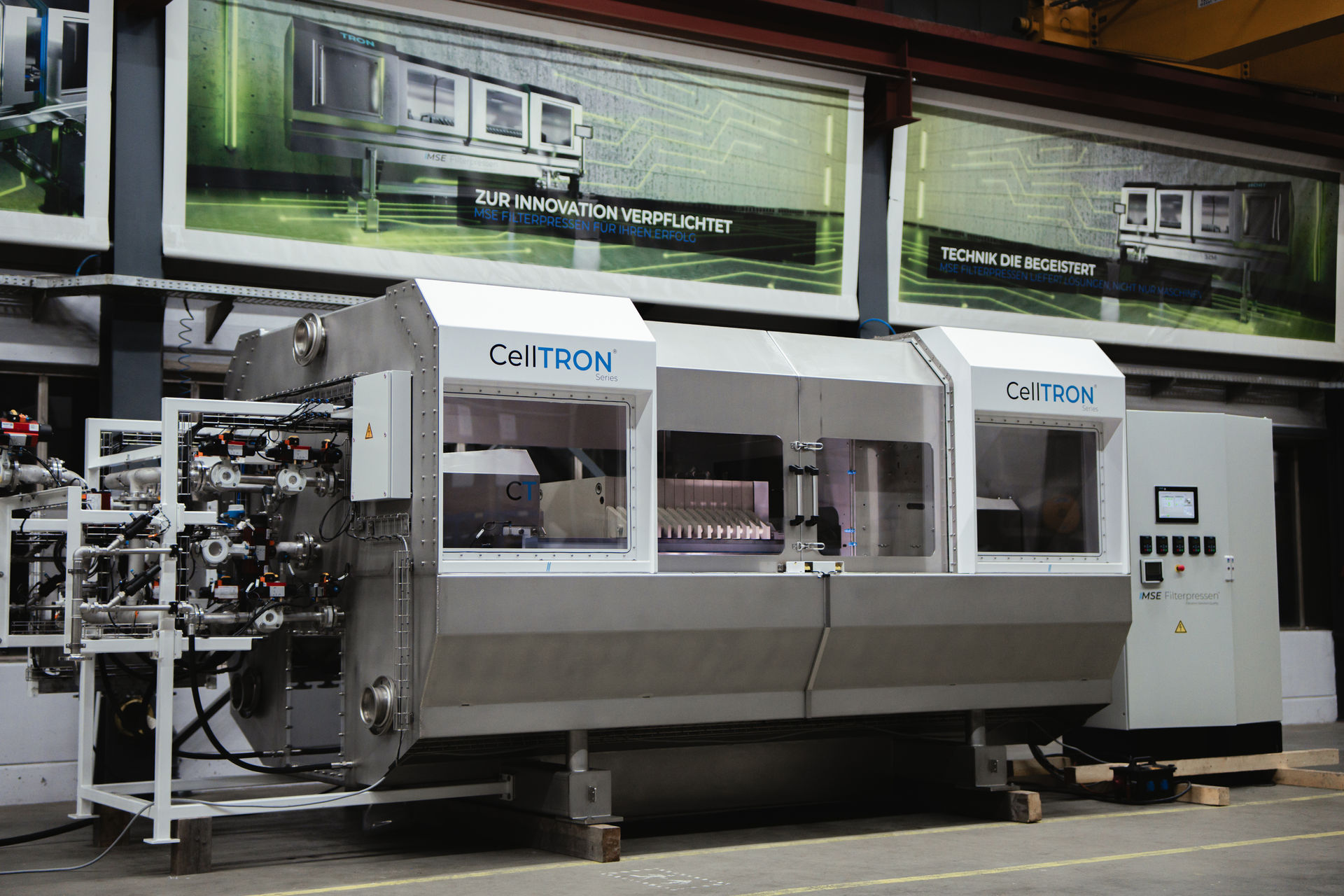
- Separation of components: Physical separation techniques—such as electrostatic separation—are used to detach and isolate cathode, anode, and other cell components. The goal is to separate materials without damaging the fine active powders.
- Cathode/Anode recovery: Residual binders and electrolyte are removed using thermal treatment or mild solvent washing. One key step is delamination, where cathode or anode powders are separated from current collectors without compromising their structure.
- Material rejuvenation: Recovered materials are often relithiated, a process where lithium is reintroduced into depleted cathode material. In some cases, high-temperature sintering is used to repair or restore the material’s crystal structure and electrochemical performance.
While direct recycling has shown promising results in lab-scale projects, the process still faces challenges with material consistency, contamination control, and industrial scalability. Further R&D is underway to optimize process flows and demonstrate feasibility at commercial scale.
The potential for direct recycling varies across battery chemistries. Cathode chemistries such as NMC and LCO are more compatible with direct recycling due to their high material value and structured active material layers. In contrast, chemistries like LFP, which have lower economic value and different degradation behavior, pose additional challenges and may be less suitable for direct reuse without further processing.
Performance consistency and qualification for reuse from direct recycling+
Recovered cathode and anode materials must meet strict performance criteria to be reused in new battery cells. However, slight variations in composition, structure, or impurity levels can impact long-term performance. Today, there are no standardized testing or qualification procedures for reused active materials, making it difficult to guarantee battery-grade quality at scale.
Impurity management and material quality for direct recycling+
Even small amounts of impurities—such as aluminum (Al) and copper (Cu) from current collectors—can cause unwanted side reactions or accelerate battery capacity fade when reusing active materials. Efficient separation and cleaning steps are critical but remain technically challenging, especially without degrading the recovered powders.
Limited scalability and industrial readiness of direct recycling+
Direct recycling is currently limited to laboratory and pilot-scale applications, with no widespread commercial implementation. Scaling up the process requires overcoming technical, economic, and infrastructure-related hurdles—such as automation, throughput, and integration with existing recycling systems.
Most black mass from Europe and North America is currently exported to Asia—particularly Indonesia and South Korea—where recovery and refining infrastructure is already in place. This raises the question of how to build competitive, local value chains that can process black mass efficiently and cost-effectively. How can recycled materials compete with both Asian processing prices and newly mined materials? Do we need to produce refined outputs like lithium carbonate and nickel sulfate locally—or could the loop be closed earlier by producing intermediates like pCAM? Achieving a true circular economy will require not only advanced recovery processes, but also local demand for the recovered materials
How can environmental impact be reduced in both hydro- and pyrometallurgical processes?+
As material recovery scales, its environmental footprint must be carefully managed. In hydrometallurgy, this means reducing the use of leaching agents, minimizing water consumption, and designing processes that generate less secondary waste. Innovations such as closed-loop reagent cycles, selective leaching, and advanced filtration are helping to address these challenges.In pyrometallurgy, the focus is on lowering CO₂ emissions and energy use without sacrificing metal recovery efficiency. This includes optimizing furnace design, using alternative energy sources, and integrating pre-treatment steps that reduce the need for high temperatures. Both approaches must strike a balance between performance, sustainability, and economic feasibility to support a truly circular battery value chain.
Maximizing process efficiency and minimizing losses+
The goal of material recovery is to extract as much value as possible from black mass—recovering critical metals like nickel, cobalt, and lithium with minimal losses and optimized resource use. Achieving this requires not only process optimization but also the development of smart, modular flowsheets that adapt to different input materials and evolving battery chemistries. Innovations in both hydrometallurgy and pyrometallurgy are exploring more selective, efficient, and flexible pathways to increase recovery rates while reducing operational costs and environmental impact.
How can consistent material purity be achieved to meet market demands?+
Recycled battery materials must meet strict purity standards to be reused in new batteries. Achieving consistent quality and traceability of recovered elements such as lithium, cobalt, and nickel remains a challenge—especially as different battery chemistries and end-use applications require different specifications. Establishing reliable recovery processes and clear quality benchmarks is essential for closing the loop and creating true circularity.
Guidelines & Regulations 7 · European Union, United States, Canada+
The Governmental Regulations section outlines key policies and legal frameworks that govern battery production, usage, recycling, and disposal to ensure safety, sustainability, and compliance with environmental standards.
⚠ Please note: This section does not represent a complete or exhaustive overview of all applicable regulations. It is intended for general orientation only and should not be considered legal advice or regulatory interpretation. For detailed compliance guidance, always consult the official legislation or a qualified regulatory expert.
This is one stage of the full recycling workflow
See how Material Recovery fits into the end-to-end journey from end-of-life batteries to battery-grade materials.
Back to the full guide →