
Info Current and Verified · Updated 05/2026
Short Description
Electrical connections are made between the cells to form the required series and/or parallel configuration using busbars, achieving the target module voltage and capacity. This stage also includes integration of the Battery Management System (BMS), typically through the Cell Supervising Circuit (CSC) and sensing components. Voltage and temperature sensors are connected to the cells or busbars to enable monitoring. Laser or ultrasonic welding is commonly used for reliable, low-resistance joints. In some designs, resin dispensing or potting is added to protect critical electrical components and ensure long-term durability.
Key sub-processes:
Cell Contacting: This involves precisely placing busbars or other current collectors onto the cell terminals and then creating permanent, low-resistance electrical joints, most commonly through laser, ultrasonic or resistance welding. This forms the main series/parallel connections between cells.
Welding of Cell Supervising Circuit (CSC): The sense wires from the Cell Supervising Circuit or Flexible Printed Circuits (FPCs) are connected to appropriate points on the cells or busbars to monitor individual cell voltages and temperatures. This often involves micro-welding or soldering techniques. This is usually performed as part of the sub-assembly rather than on the main module production line
Resin Dispensing: In some module designs, after all electrical connections are made, specific areas of the internal assembly are filled with an insulating and protective resin. This enhances mechanical stability, protects against vibration and moisture, and improves electrical insulation.
Optimising sensor integration for accurate monitoring:+
Best practices must be established for effectively integrating and connecting voltage and temperature sensors to cells or busbars. The goal is to ensure accurate, stable readings over the module's lifetime, considering factors like contact quality, wire routing, strain relief, and protection from environmental factors or vibration to maintain long-term reliability.
Ensuring consistent weld quality in high-volume production+
Maintaining consistent weld quality in high-volume manufacturing is critical. This involves ensuring adequate weld penetration, mechanical strength, low electrical resistance, and a minimal heat-affected zone for every joint. The challenge lies in developing robust process controls and effective in-line monitoring techniques to achieve this reliably at production speed.
Comparing welding technologies for cell Interconnects+
A key consideration is understanding the advantages and disadvantages of different welding technologies—such as laser, ultrasonic, and resistance welding—when joining various combinations of cell terminal and busbar materials (e.g., aluminium-to-aluminium, copper-to-copper, or more challenging aluminium-to-copper). The choice impacts joint quality, speed, cost, and suitability for specific material properties and thicknesses.
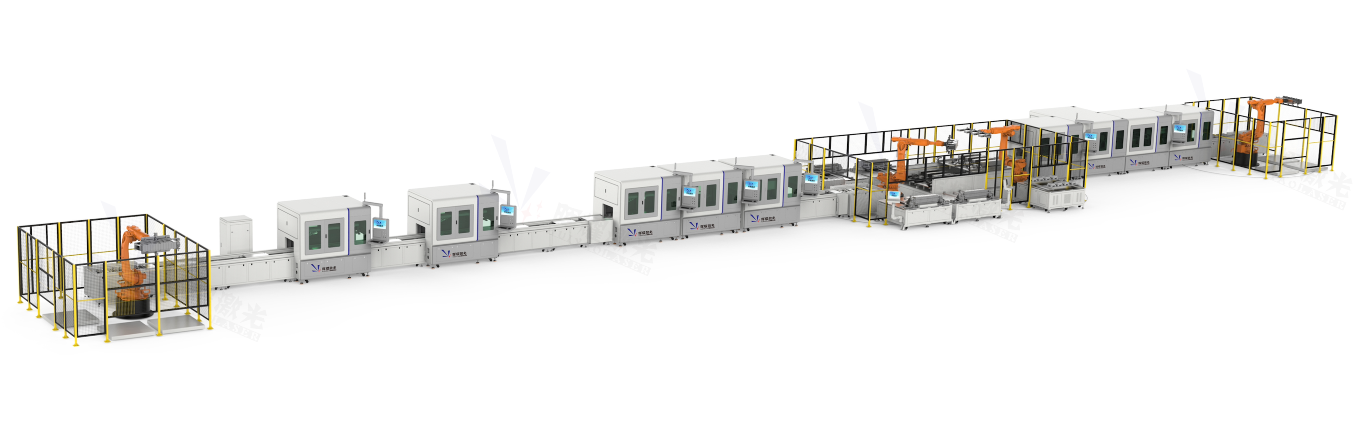
This is one stage of the full battery module manufacturing workflow
See how Electrical Connection & BMS fits into the end-to-end Battery Module Manufacturing journey.
Back to the full guide →