
Info Current and Verified · Updated 04/2025
Short Description
Used or damaged batteries, manufacturing scrap, and black mass (recovered material after Material Separation from recyclers) are collected at various sources, like recycling centers, manufacturers, and E-waste facilities. Batteries may be presorted, assessed for 2nd life applications and then prepared for safe transport to recycling facilities. Transportation follows strict safety and regulatory standards to prevent hazards such as leakage, short circuits, or fires.
Relevant Material Streams
1.1Testing & Remanufacturing
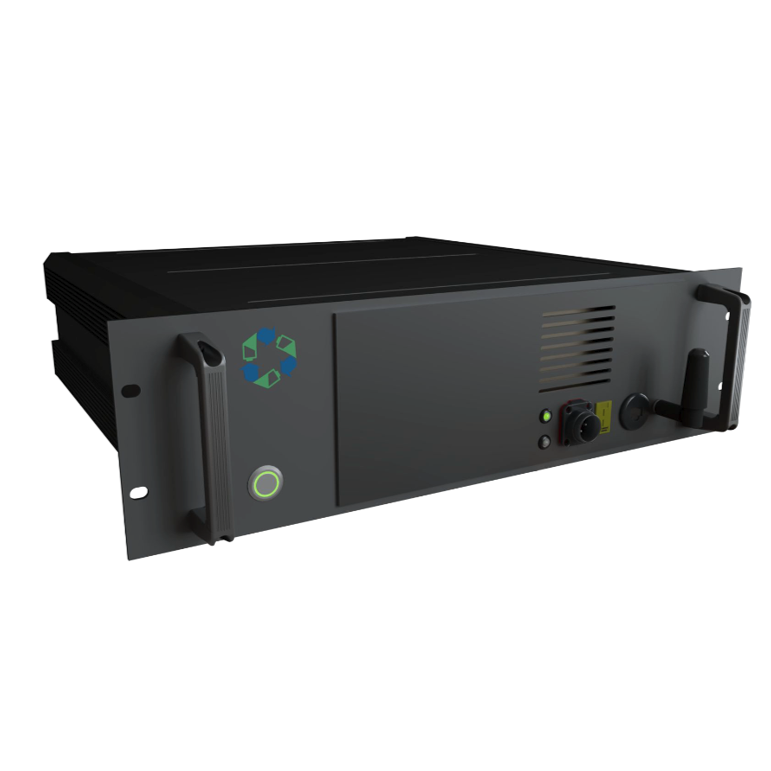
Before batteries are routed toward second-life applications or recycling, they undergo thorough evaluation to determine their condition, safety, and usability. This process includes state-of-health (SOH) assessments, diagnostic testing, and functional checks to identify degradation levels and potential for reuse.
The results help define the appropriate next step — whether the battery should be remanufactured, repurposed, or recycled.
1.2Collection & Logistics
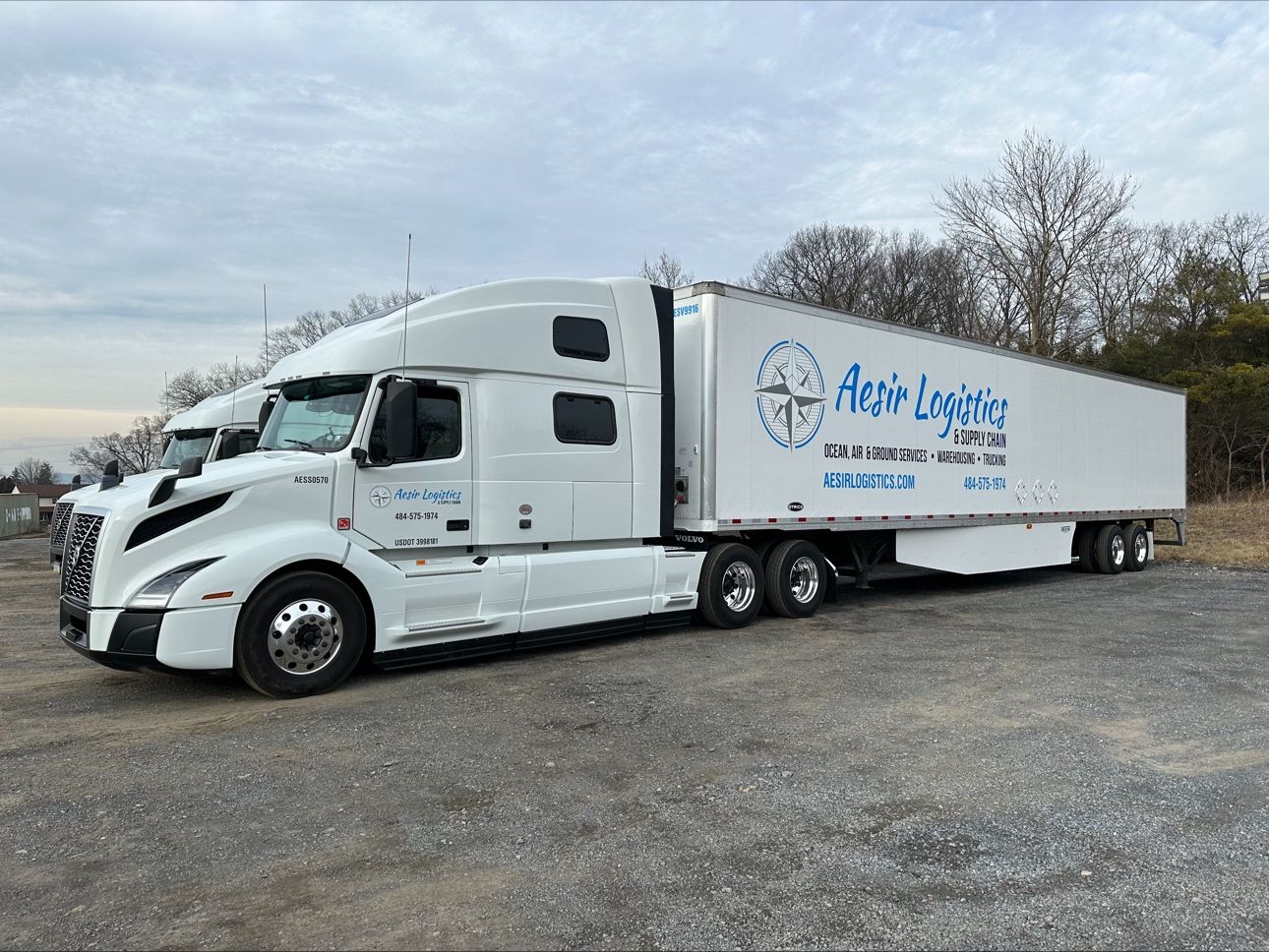
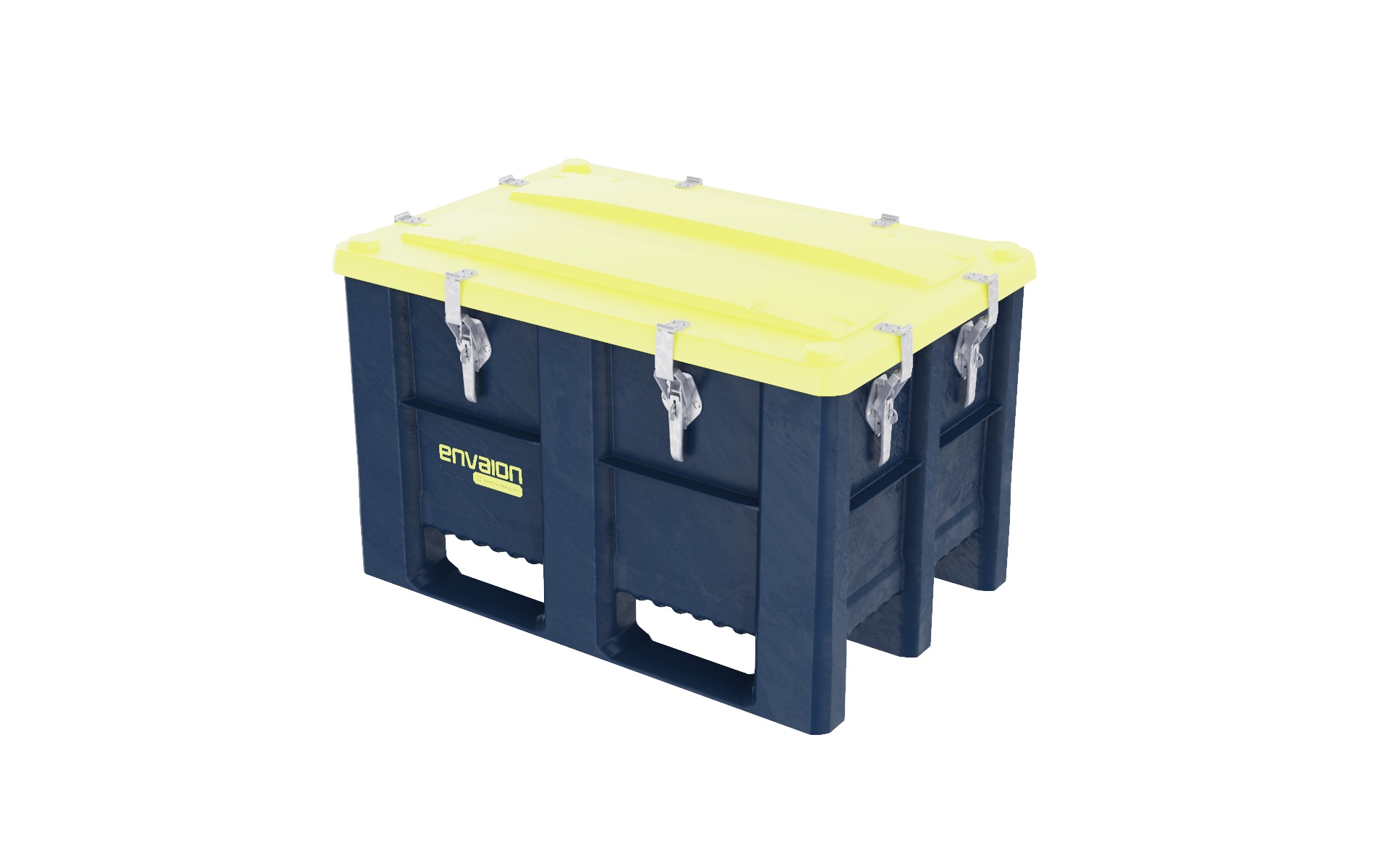
Once evaluated, batteries are carefully prepared for transportation to the next facility. This includes proper classification, labeling, and packaging in accordance with relevant safety and regulatory standards. Different container types and handling procedures are selected based on the battery’s condition, chemistry, and destination. The goal is to ensure safe and compliant logistics throughout the battery’s end-of-life journey.
Once a battery is declared waste and arrives at a recycling facility, it is extremely difficult to reclassify it as a product for reuse. EU regulations make it nearly impossible to reverse this step without special permissions, especially due to hazardous waste codes. To enable second-life applications, batteries should be assessed before being declared waste. This requires clear guidelines for when and where capacity testing or State of Health (SOH) assessments should take place — ideally at a facility that is not a licensed recycler. Forthcoming regulations may further mandate SOH checks at each transfer point, making early classification decisions even more critical.
How to assess the battery State of Health (SOH) independently and fast to assess if reuse or recycle?+
The State of Health (SOH) assessment is crucial for determining whether a battery can be reused or should be recycled. However, no unified or commonly accepted standard currently exists for how this assessment should be conducted—leading to variation in methods across the industry.The SoH analysis should be fast, robust, and easy to perform. Common quick indicators include open-circuit voltage and internal resistance. More advanced methods involve capacity estimation, charge-discharge testing, or electrochemical impedance spectroscopy (EIS).
What regulations apply to battery transport, and how can compliance be ensured?+
Transporting batteries, black mass, or production scrap involves different regulations depending on the region, mode of transport, and material type. For example, international shipments must comply with IMDG (sea) and ICAO/IATA (air), while road transport is governed by regional regulations like ADR in the EU and 49 CFR in the U.S.—both of which adopt and incorporate international modal standards. Batteries must also meet the internationally recognized UN 38.3 testing standards for transport. These transportation regulations specify the required packaging for different materials, with each type subject to specific tests mandated by the regulations to ensure the package can safely withstand transport conditions. In addition, proper labeling, documentation, and training are required for compliance. Overall, compliance requires trained personnel with deep regulatory knowledge to ensure safe and legal transport. Despite these regulatory frameworks, packaging and transport are not always carried out according to best practices—often due to unclear responsibilities or gaps in implementation across the supply chain. This makes ongoing awareness, training, and oversight critical to ensuring safety and compliance in real-world operations.
How can damaged batteries be safely transported without risk of thermal events?+
Li-ion batteries pose significant safety hazards during collection and transport. If improperly handled, they can overheat or suffer thermal events leading to fires. Because of that proper packaging, labelling, and cautious handling is mandatory. Depending on the status of the battery, different packaging solutions are available – from wooden crates to steel containers. Ultimately it comes down to a correct diagnosis of the battery safety state and selection of packaging solution.Damaged, Defective, and Recalled (DDR) batteries are a specific classification that may require specialized packaging and additional risk controls to ensure safe transport.
Guidelines & Regulations 9 · European Union, United States, Canada+
The Governmental Regulations section outlines key policies and legal frameworks that govern battery production, usage, recycling, and disposal to ensure safety, sustainability, and compliance with environmental standards.
⚠ Please note: This section does not represent a complete or exhaustive overview of all applicable regulations. It is intended for general orientation only and should not be considered legal advice or regulatory interpretation. For detailed compliance guidance, always consult the official legislation or a qualified regulatory expert.
This is one stage of the full recycling workflow
See how Assessment & Transportation fits into the end-to-end journey from end-of-life batteries to battery-grade materials.
Back to the full guide →