
Info Current and Verified · Updated 04/2025
Short Description
Upon arrival at recycling facilities, batteries undergo detailed inspection to identify damage, determine battery types, and sort them by chemistry or size. Additionally, the incoming material is being weighed and documented in an ERP (Enterprise Resource Planning) or MES (Manufacturing Execution System) system. This ensures suitability for further processing. They are then temporarily stored in secure, fire-preventive storage areas until ready for recycling.
Relevant Material Streams
2.1Inspecting & Sorting
Upon arrival, each battery undergoes a thorough visual and technical inspection. This may include checking for physical damage such as swelling, leaks, corrosion, or punctures, which could indicate potential safety hazards like the risk of thermal runaway. In facilities also handling black mass, incoming material is inspected to verify consistency, appearance, and compliance with agreed metal content specifications—often using sampling and rapid analysis methods.
All batteries and black mass shipments are sorted, weighed, and documented in a tracking system, typically an ERP (Enterprise Resource Planning) or MES (Manufacturing Execution System) system, ensuring accurate record-keeping for regulatory compliance and inventory management.
Identifying battery chemistry when labels are missing or batteries are closed+
Understanding the battery's chemistry is essential for safe handling, storage, and choosing the appropriate recycling process. However, if a battery is sealed and its labels are degraded or missing, it becomes difficult to determine its composition. This slows down processing, increases the risk of incompatible material streams, and may require destructive testing or additional manual sorting.
Reliable assessment of battery safety state+
Incorrectly assessing the safety state of an incoming battery can result in serious safety risks, including thermal events or fires. Visual inspection alone may miss internal faults, while the lack of standardized, scalable diagnostic tools means assessment quality can vary between operators. Developing robust, accessible safety screening methods remains a key industry need.
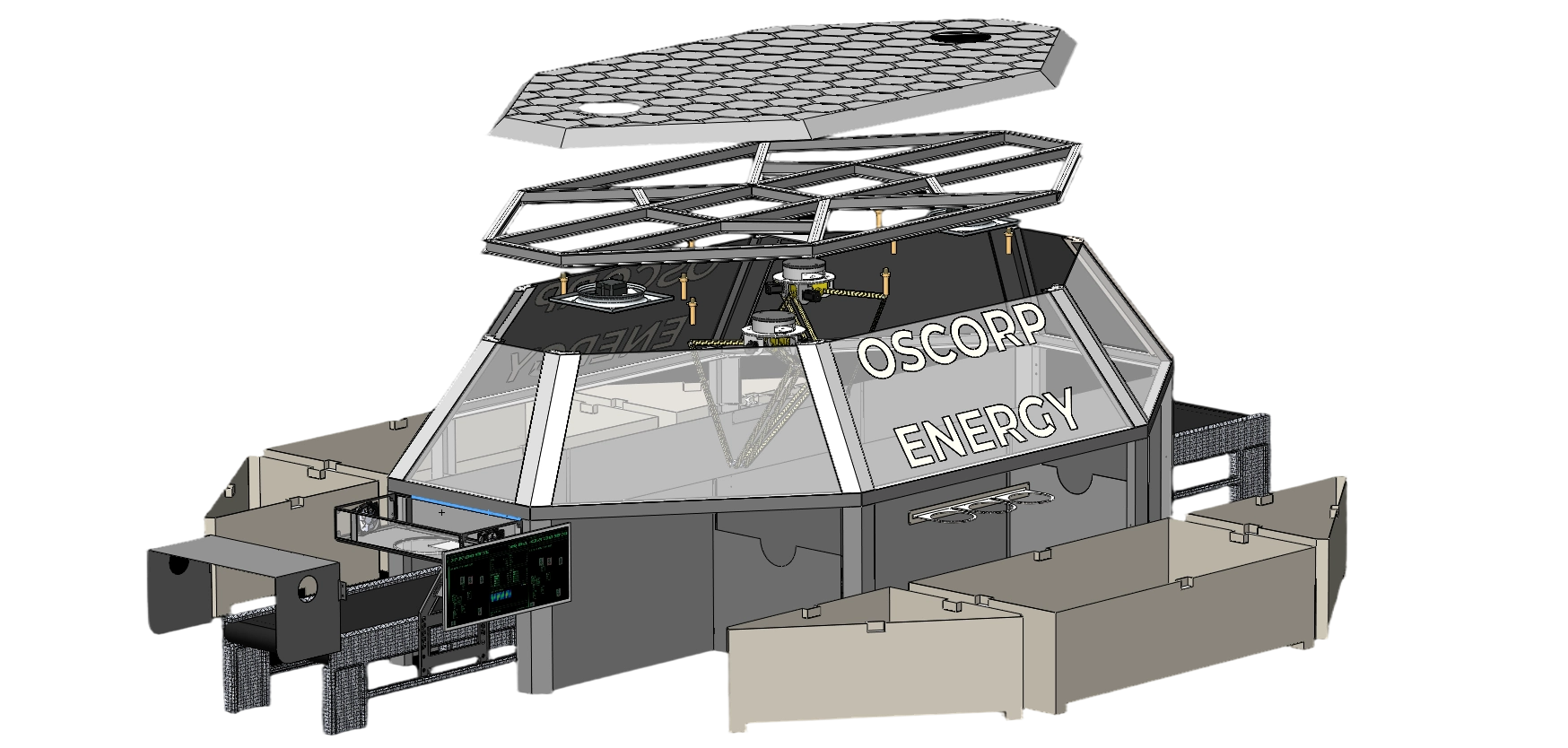
2.2Storing
In recycling facilities, batteries are placed in designated storage areas designed to meet the specific safety requirements of each battery type. Storage areas may include:
- Temperature-controlled environments
- Fire-resistant containment areas for batteries with a higher risk of thermal runaway
- Separate enclosures for different chemistries to prevent cross-contamination or hazardous interactions
- Monitoring systems such as thermal cameras, gas detectors, or state-of-charge monitoring to identify potential safety risks early
Batteries remain in temporary storage until they are scheduled for processing, ensuring they are handled in the safest and most efficient manner. Proper documentation and tracking are maintained throughout this stage to ensure compliance with environmental and regulatory guidelines.
Comprehensive fire safety in battery storage+
Battery storage areas are designed to manage the fire risk associated with batteries. However, several additional factors should be considered: training of personnel on how to respond to fires, preparation and involvement of the local fire brigade, sorting batteries by risk level, and storing them in clearly separated zones. Storage should be organized so that higher-risk materials are kept at a safe distance from other chemical storage areas.
Efficient use of storage space+
Storage space that is specifically prepared for batteries and equipped with proper fire surveillance and fire-resistant containment areas is expensive. For that reason, efficient use of space is necessary while still complying with industry safety standards. Example: Required distance between stored batteries; high-bay racking systems are often unsuitable.
The value of black mass is determined by its metal content—particularly lithium, cobalt, nickel, and manganese. To ensure the delivery matches what was promised, reliable and fast assessment methods are essential. Without proper verification, recyclers risk financial loss or process inefficiencies. Robust sampling protocols and analytical techniques are needed to support fair, data-driven transactions.
How can the safety state of incoming batteries be assessed reliably and consistently?+
When receiving a battery, its safety state must be assessed before it is moved to storage. Key indicators include physical damage, elevated temperature, unusual odors (such as from leaking electrolyte), or gas venting—along with less obvious signs like sudden voltage drops, rapid self-discharge, or changes in internal resistance. A robust system and process should be in place to detect both the obvious and more subtle indicators.A rating system can be used—for example: normal, degraded, faulty, unsafe, or dangerous. Critical batteries should be stored differently and more securely than standard end-of-life batteries.While the EU Battery Regulation does not prescribe a specific rating system, companies are expected to establish their own methods for determining battery safety or state of health. These approaches are generally based on recognized industry standards, such as IEC 62133.
How can battery storage systems be designed to effectively prevent fires?+
Fires caused by batteries—ranging from minor incidents to major events—are frequently reported in recycling facilities. While this risk is often associated with individual cells improperly disposed of in municipal waste, it is also a significant concern for battery recyclers who store large volumes of batteries in one location, resulting in a high stored fire load. To mitigate this risk, a safe and well-designed storage system is essential. A critical first step is the robust and accurate assessment of each battery's safety state upon arrival. In addition, facilities should implement reliable systems to detect heat build-up or fire at an early stage. Emerging best practices include the use of physically separated storage buildings, rapid containment units for critical batteries, upgraded fire suppression systems, and continuous 24/7 thermal and visual monitoring. Together, these measures help reduce fire risk and protect both personnel and infrastructure.
Guidelines & Regulations 6 · European Union, United States, Canada+
The Governmental Regulations section outlines key policies and legal frameworks that govern battery production, usage, recycling, and disposal to ensure safety, sustainability, and compliance with environmental standards.
⚠ Please note: This section does not represent a complete or exhaustive overview of all applicable regulations. It is intended for general orientation only and should not be considered legal advice or regulatory interpretation. For detailed compliance guidance, always consult the official legislation or a qualified regulatory expert.
This is one stage of the full recycling workflow
See how Incoming Inspection & Storage fits into the end-to-end journey from end-of-life batteries to battery-grade materials.
Back to the full guide →